Daily Carry
Leak-Proof Lunch Containers: What Actually Keeps Lunch in the Box
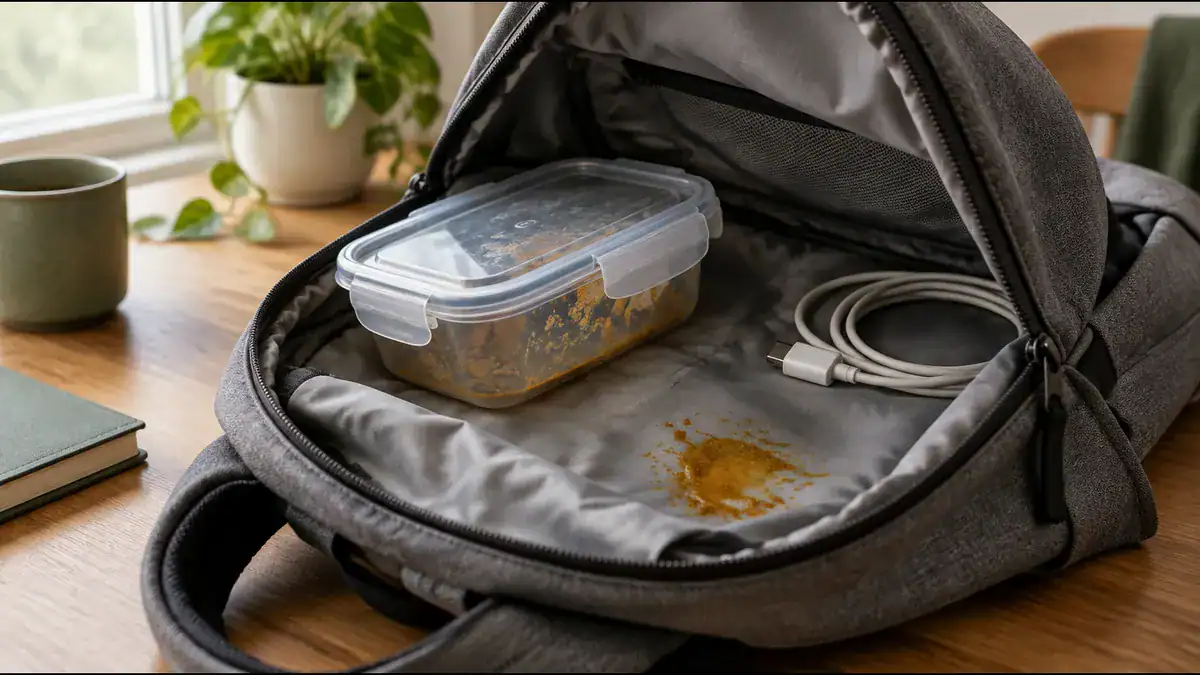
There’s a dark spot at the bottom of the bag. We already know what it is. The container said leak-proof, and somewhere between the kitchen and the office, it wasn’t.
The short answer: the most reliable leak-proof lunch containers use a lid that locks mechanically, with clips or a screw thread, pressing on a removable silicone gasket. Snap-on lids that rely mostly on friction are the ones most likely to fail in a commuter bag. For soup and anything saucy, a screw-top insulated food jar is the safest bet. For salads and mixed meals, a locking-lid container or a bento box sold as leak-proof, not just leak-resistant, will hold.
We packed it last night. The curry. The soup. The salad with the dressing we swore we’d keep separate and didn’t. We pressed the lid down, heard the click, and told ourselves it was sealed.
It wasn’t.
Somewhere on the walk to the train, the bag tilted. Now there’s tikka masala on the charger cable.
This rarely happens in a dramatic way. It’s a slow, recurring leak that stains the bottom of the bag, makes everything smell faintly of yesterday’s dinner, and pushes us to wrap lunch in a grocery bag like an insurance policy we never wanted to need.
The stain at the bottom of the bag
Every bag that has carried lunch for a few months has one. The permanent record of every container that didn’t quite seal.
That stain carries a smell. Faint at first. But fabric holds onto food residue, and a few small leaks are enough to give a bag a staleness that wiping won’t fix. It’s the same adaptation we wrote about with nose blindness in the car: we stop noticing it. The people around us don’t.
And there’s the slow damage. Linings break down. Zippers get sticky. A good commuter bag doesn’t always wear out from use. Sometimes it wears out because soup got into the bottom pocket in October and never fully came out.
Why most lunch containers leak
Many food containers aren’t designed for commuting. They’re designed for a refrigerator: upright, stationary, cold. Put the same container in a bag that swings, tilts, gets dropped on a train floor, and slides across a passenger seat on a sharp turn, and the design runs out of margin.
Many snap-on lids depend mostly on friction. The seal holds best while the plastic rim stays perfectly round and evenly pressed. Years of dishwasher heat, or microwaving a lid that isn’t meant for it, can warp it slightly. One corner lifts a fraction of a millimeter, and liquid finds it.
Gaskets wear out. Silicone rings stretch, trap food, and sit unevenly after enough washes. The lid still closes. It just doesn’t seal. Many containers have removable gaskets, and most of us have never taken one out to clean it or check it.
Leak-resistant is not leak-proof. This is the quiet one. Plenty of popular bento boxes are sold as leak-resistant, which in practice means they’ll keep a moist dish in its own compartment while sitting flat. They aren’t built for soup on its side in a backpack. The word on the box matters, and so does a second question: does the lid seal each compartment, or only the outside edge? A box can keep everything inside the box while the curry still drifts into the rice.
Hot food fights the seal. Seal soup while it’s still steaming and the trapped heat and steam push against the lid, then pull on it as everything cools. That cycle is hard on any gasket, especially one that’s already tired.
Overfilling. We press the lid down, feel the food pushing back, force it shut, and wonder why the curry escaped somewhere on the 7 train.
What actually holds: the leak-proof containers worth carrying
The fix isn’t a better bag inside the bag. It’s a container built for transport, not just storage. Three designs hold up.
Locking lids with a silicone gasket. Four-sided clips or a latch press the lid down mechanically instead of relying on friction, so the seal holds when tilted or bumped. Rubbermaid Brilliance is the one we keep coming back to: clear Tritan plastic that resists stains, latches on both sides, and a seal built to stay tight in a bag.
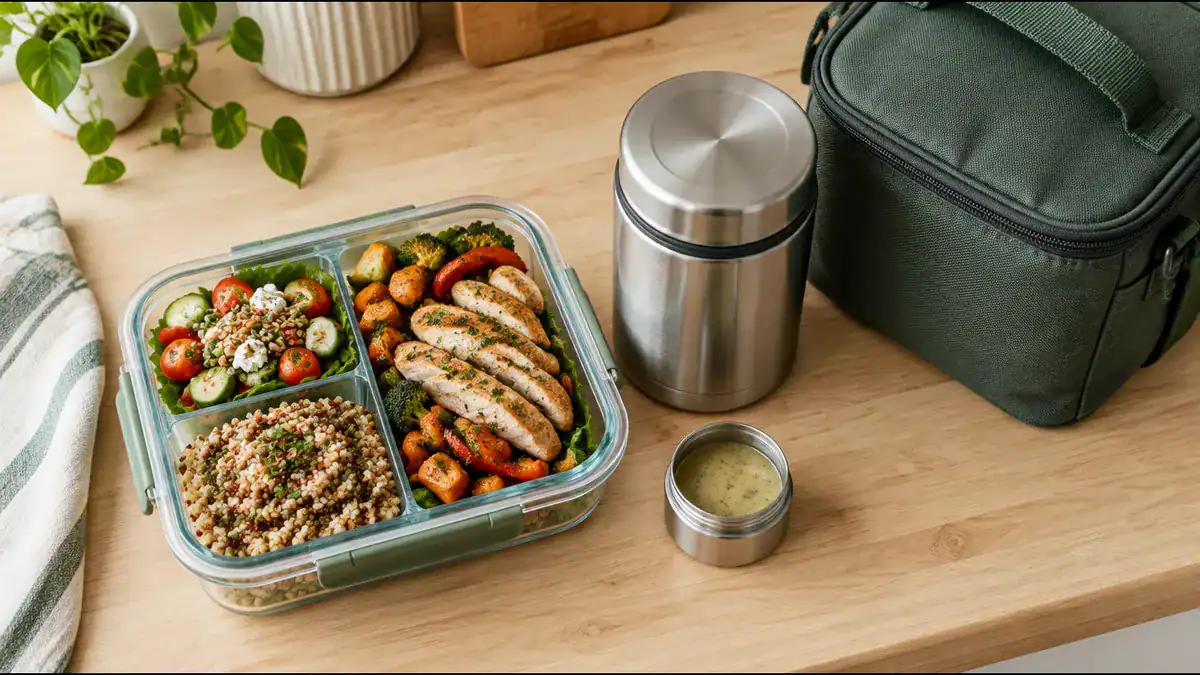
Glass with a locking lid. Glass doesn’t warp in the microwave, doesn’t hold onto smells, and doesn’t stain orange from tomato sauce. The rim stays true, which is half of what keeps a seal working. The tradeoff is weight. A glass bento-style box like Bentgo Glass, which Bentgo describes as leak-proof between compartments as well as around the edge, works well for anyone who reheats lunch at the office.
A screw-top insulated food jar for anything liquid. Soup, stew, curry, chili. A threaded stainless-steel lid is the most dependable seal in a commuter bag, and vacuum insulation keeps food hot until lunch without a microwave line. The 16-ounce Thermos Stainless King food jar is the classic for a reason, and it doubles as the all-steel option for anyone avoiding both glass weight and plastic.
And a tiny screw-top cup for dressing. A surprising share of salad leaks are really dressing leaks. A two-ounce screw-lid condiment container fixes that without changing anything else about how we pack.
A few things are worth checking before buying any of them. Size: for most adult lunches, something around three to five cups is plenty. Whether the gasket comes out for cleaning and can be replaced. Whether the lid, not just the base, is microwave and dishwasher safe. And weight, because whatever we pick, we carry it every day.
What we’d carry
Everyday default
Rubbermaid Brilliance Containers
Latching lid, silicone seal, stain-resistant clear plastic. Light enough for a daily bag.
For most commuters packing mixed meals and leftovers.
For soup and stew
Thermos Stainless King Food Jar
A threaded steel lid and vacuum insulation. The container we trust sideways in a backpack.
For soup, curry, chili, and anyone without a microwave at work.
For reheating
Bentgo Glass Lunch Box
Three compartments in oven-safe glass with a locking lid that seals between compartments. Heavier, but it reheats cleanly.
For meal preppers who microwave at the office.
The packing system that keeps the bag dry
A better container is most of the fix. Five habits finish it.
- Pack cold food cold, and hot food hot. For cold lunches, pack the night before and keep the container in the fridge, so we’re not sealing in steam in the morning. For hot soup in an insulated jar, prefill the jar with boiling water for a few minutes, empty it, then add the steaming food and seal it right away.
- Leave a finger of headspace. Food shouldn’t touch the lid. The gasket needs a clean rim to press against.
- Do the tilt test. Hold the closed container on its side over the sink for five seconds. If a bead of liquid appears at the rim, reseat the lid or switch containers. Five seconds now saves five minutes of cleanup later.
- Check the gasket once a week. If it’s designed to come out, pull it, wash it, dry it, and check it for stretching. A gasket that no longer sits flat in its groove is the leak waiting to happen.
- Give lunch its own compartment. An insulated lunch bag like this Lifewit bag keeps food upright, isolates any leak in a wipeable liner, and holds an ice pack. USDA food safety guidance on keeping bag lunches safe recommends an insulated bag with at least two cold sources, such as ice packs or a frozen drink, for perishable food anyway.
Packing order helps too. Food goes upright against the back panel of the bag, and electronics never share a pocket with lunch. That one rule is the cheapest insurance there is, and it fits naturally into a bag that’s already organized into zones.
The real cost of a leaking lunch
We file a lunch leak under minor inconvenience. A paper towel problem. But the cost adds up quietly.
The ruined meal. Dressing soaked into the bag instead of the salad. Rice turned to mush. When lunch is ruined, we buy lunch, and a bought lunch costs several times what a packed one does.
The collateral damage. A charger cable. A notebook. A pair of earbuds in the wrong pocket. None of it is expensive alone, and none of it gets blamed on the container that caused it.
The bag itself. Food leaks are one of the fastest ways to age a good bag, and a bag that’s already uncomfortable, as anyone with strap pain knows, is not one we want to replace early.
A good locking container and an insulated bag often cost less than a few bought lunches. And we only buy them once.
One less thing leaking into the morning. One less grocery bag crinkled inside a nice backpack. One less smell we’ve stopped noticing.
Carry smarter. Commute better.
Common questions about leak-proof lunch containers
What makes a lunch container truly leak-proof?
A lid that locks mechanically, with clips, latches, or a screw thread, pressing evenly on a well-fitted silicone gasket. Lids that rely mostly on friction depend on the rim staying perfectly round and are more likely to fail as the plastic ages or warps.
Why do our leak-proof containers still leak?
The usual causes are a stretched or dirty gasket, a lid that has warped with age or heat, overfilling so food sits on the seal, and sealing food while it is still steaming. Cleaning the gasket regularly, where the manufacturer allows it, and leaving headspace fix many leaks.
What is the difference between leak-proof and leak-resistant?
Leak-resistant containers keep moist food in its compartment while sitting flat, but are not designed for liquids or tilting. Leak-proof containers are built to hold liquid when tipped. For commuting in a bag, look for containers sold as leak-proof.
What is the best container for carrying soup to work?
A vacuum-insulated food jar with a screw-top lid. The threaded seal holds when the bag tips, and the insulation keeps soup hot until lunch. Prefilling the jar with boiling water for a few minutes helps it hold heat longer.
Are glass or plastic lunch containers better for commuting?
Glass resists stains and smells and does not warp, which helps the seal last, but it is heavier and can break. Quality plastic with a locking lid is lighter for daily carry. Many commuters use plastic for the bag and keep glass for reheating at the office.
Is a bento box leak-proof?
Some are and some are not. Many popular bento boxes are labeled leak-resistant, meaning they hold moist foods but not liquids on their side. Others seal around the outside but not between compartments. If the plan includes dressing or sauce, choose a bento box sold as leak-proof between compartments, or carry liquids in a separate small screw-top container.
What size lunch container do adults need?
For most adult lunches, a container somewhere around three to five cups is enough. Smaller containers suit sides and snacks, while larger meal-prep containers can be bulky in a commuter bag. A separate two-ounce screw-top cup handles dressings and sauces.
How do we stop lunch from leaking in a backpack?
Use a locking-lid or screw-top container, leave headspace below the lid, do a five-second tilt test over the sink, keep food upright against the back panel, and carry it in an insulated lunch bag that keeps any leak away from electronics.
Life on the go should be easier.
One overlooked commute problem each week, and the simplest fix.
Keep reading
Daily Carry
Our Bag Is Lying to Us
The cognitive cost of a messy bag, and the 90-second Sunday habit that fixes the whole week.
Daily Carry
The Best Water Bottle for Commuting
Why the bottle we bought for the trail is the wrong one for the train.
Daily Carry
The Bag Strap Problem We All Ignore
The hitch-and-shrug we do twenty times a commute, and what it’s doing to our shoulders.
Daily Carry
Why Our Phone Battery Drains So Fast
The causes we overlook, how to find the culprit, and the backup that ends the 20% panic.